

Table of Contents
6 Day Tanzania and Zanzibar Safari Itinerary Overview
A 6-day Tanzania and Zanzibar safari itinerary is best understood as two carefully balanced halves: an immersive wildlife safari on the mainland followed by a restorative island escape. Rather than attempting to cover too many locations, this itinerary focuses on the most rewarding experiences Tanzania offers within a short timeframe.
The journey begins in northern Tanzania, where the classic safari circuit delivers exceptional wildlife density and iconic landscapes. Over the first four days, travelers move through Tarangire National Park, the Serengeti, and the Ngorongoro Crater, three areas that together offer elephant herds, big cats, vast savannahs, and one of the most concentrated wildlife viewing environments in Africa. The routing is deliberate, minimizing unnecessary driving while maximizing time inside national parks.
After the intensity of safari, the itinerary transitions to Zanzibar by domestic flight. The final two days are spent exploring Stone Town’s cultural heritage and unwinding on Zanzibar’s white-sand beaches. This shift from early-morning game drives to slow coastal living is not incidental; it allows travelers to end the trip refreshed rather than fatigued.
In practical terms, this itinerary works because it respects both geography and human energy levels. Safari days are long and stimulating, while Zanzibar provides space to slow down. Six days may sound short, but when structured correctly, the experience feels complete, offering wildlife, culture, and relaxation in equal measure.
Why This 6 Day Tanzania and Zanzibar Safari Itinerary Works
The success of a short safari itinerary depends less on how many places are included and more on how intelligently they are connected. This 6-day Tanzania and Zanzibar itinerary works because it follows Tanzania’s natural travel logic rather than forcing attractions together for marketing appeal.
Northern Tanzania’s safari circuit is compact compared to many other African destinations. Tarangire, Serengeti, and Ngorongoro are positioned in a way that allows meaningful wildlife viewing without excessive backtracking. Starting in Tarangire eases travelers into safari life with a relatively short drive from Arusha, while the Serengeti provides the expansive, cinematic wildlife experience most travelers imagine when they think of Africa. Ngorongoro then concentrates wildlife viewing into a single, powerful day before the transition to Zanzibar.
Flying to Zanzibar instead of returning by road is a crucial element. Road-only itineraries often underestimate distances and leave travelers exhausted on the final days. A short domestic flight preserves energy and makes the beach portion of the trip genuinely relaxing rather than simply a change of scenery.
Another reason this itinerary works is that it aligns with how first-time safari travelers experience wildlife. Seeing too many parks in a short time can feel repetitive, while focusing on the strongest locations creates clearer memories and a deeper sense of place. This itinerary is curated, not compressed.
Finally, Zanzibar is placed at the end intentionally. Ending a safari with beach time allows travelers to slow down, recover from early starts, and reflect on the experience. It transforms the trip from a fast-paced tour into a balanced journey.
Detailed Day-by-Day Itinerary
Day 1: Arrival in Tanzania & Tarangire National Park Safari
Your journey begins with arrival at Kilimanjaro International Airport or Arusha Airport, the two main gateways to northern Tanzania. After immigration formalities, you meet your safari guide and begin the transition from international travel to safari life. Almost immediately, the landscape changes, urban edges fade into open countryside dotted with villages and acacia trees.
Tarangire National Park is an ideal introduction to safari. Located approximately two to two-and-a-half hours from Arusha, it allows for wildlife viewing on the very first day without overwhelming travel time. The park is best known for its large elephant populations, ancient baobab trees, and seasonal river system that attracts wildlife throughout the year.
After entering the park, the first game drive begins. Wildlife encounters in Tarangire often feel surprisingly intimate. Elephant families cross roads at close range, giraffes move slowly through the trees, and lions are frequently seen resting in the shade. The park is also exceptional for birdlife, making it appealing even to travelers without prior safari experience.
A picnic or lodge lunch allows time to rest before continuing the afternoon game drive. As the day cools, animal activity increases, offering excellent photographic opportunities. In the evening, you exit the park and head to your lodge or tented camp near Tarangire or in the Karatu area, where you enjoy dinner and your first night surrounded by African wilderness sounds.
Day 2: Tarangire to Serengeti National Park
After breakfast, the journey continues toward the Serengeti. This is one of the longest driving days of the safari, but it is also one of the most visually rewarding. The route climbs into the Ngorongoro Highlands, where the scenery shifts to cooler temperatures, lush vegetation, and cultivated farmland.
Along the way, travelers pass small towns and Maasai communities, offering glimpses into daily life beyond the parks. These transitions add cultural depth to the journey and break up the drive naturally.
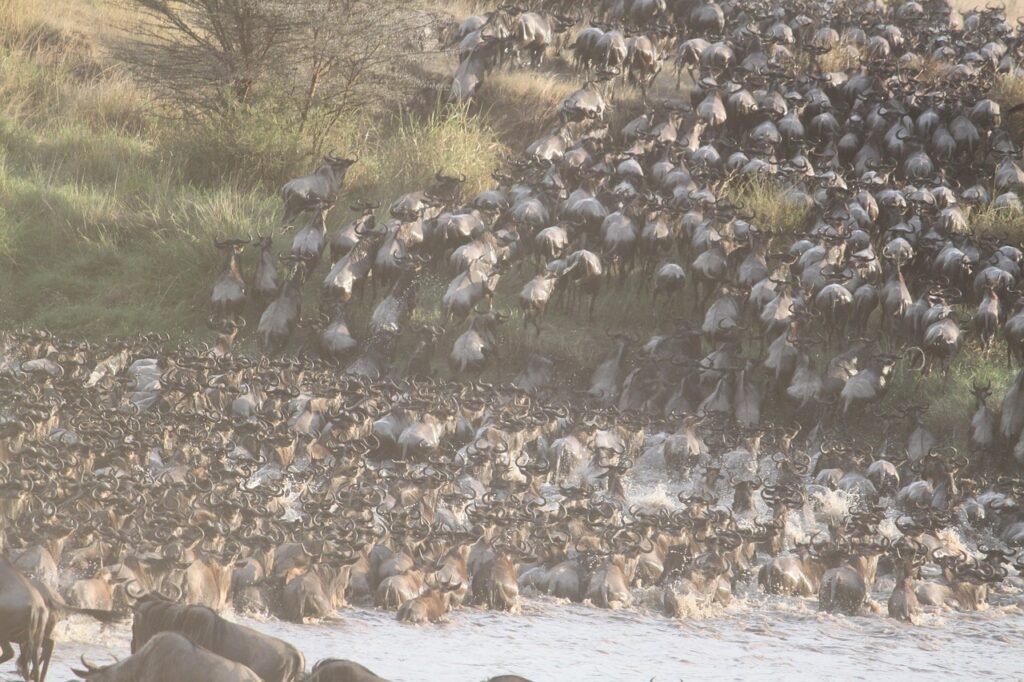
Entering Serengeti National Park is often a defining moment. The landscape opens dramatically into vast grasslands stretching to the horizon. Wildlife sightings often begin immediately, with herds of wildebeest, zebras, and antelope scattered across the plains.
An afternoon game drive introduces the scale and diversity of the Serengeti. Predators are more frequently encountered here, and the sense of space is unlike any other park in the region. Overnight accommodation inside the Serengeti is essential on a short itinerary, as it allows early access to wildlife activity and reduces unnecessary driving.
Day 3: Full-Day Serengeti Safari Experience
This day is dedicated entirely to exploring the Serengeti. Early mornings are particularly rewarding, as predators are most active before the heat of the day. Lions are often seen returning from night hunts, while cheetahs scan the plains for opportunities.
Midday offers a slower pace. Depending on preference, travelers may return to camp for lunch or enjoy a packed meal in the bush. This pause allows time to rest, review photographs, and absorb the scale of the environment.
The afternoon game drive focuses on specific wildlife interests, whether that means tracking big cats, visiting river areas with hippos and crocodiles, or following migration herds during the appropriate season. Each Serengeti day feels different, shaped by weather, wildlife movement, and the guide’s expertise.
A second night in the Serengeti deepens the experience, replacing novelty with familiarity and understanding.
Day 4: Serengeti to Ngorongoro Crater Safari
After breakfast, you enjoy a final Serengeti game drive as you exit the park. This transition often delivers unexpected sightings, as wildlife does not adhere to park boundaries or schedules.
The journey into the Ngorongoro Conservation Area introduces a different ecosystem. Descending into the Ngorongoro Crater is one of Africa’s most iconic safari moments. The crater floor hosts a remarkable concentration of wildlife, including elephants, buffalo, lions, hippos, flamingos, and the rare black rhinoceros.
Game drives inside the crater are intense and rewarding, with frequent sightings in a relatively compact area. After several hours of exploration, you ascend the crater walls and continue to your lodge in Karatu or near the rim, where the cooler air and highland views provide a dramatic contrast to the Serengeti plains.
Day 5: Safari to Zanzibar – Flights, Stone Town & Culture
After breakfast, you transfer back to Arusha for a domestic flight to Zanzibar. This flight is a turning point in the journey, marking the shift from safari exploration to coastal relaxation.
Upon arrival, Stone Town reveals a layered history shaped by Arab, Persian, Indian, and African influences. Narrow streets, carved wooden doors, and historic buildings create a sense of place unlike anywhere else in East Africa.
The afternoon is spent exploring cultural landmarks, markets, and waterfront areas before settling into your hotel. The pace slows, and the atmosphere changes noticeably from the structured rhythm of safari days.
Day 6: Zanzibar Beach Experience & Departure
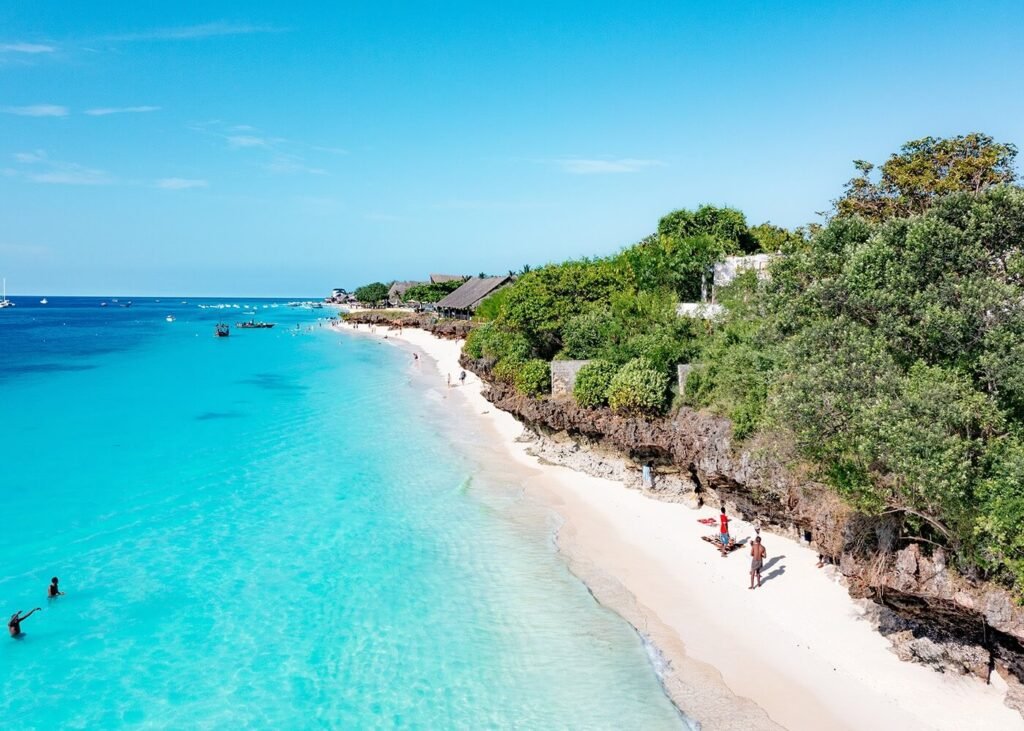
The final day is reserved for Zanzibar’s beaches. Depending on preference, travelers may head north to areas known for calm swimming and sunsets or east for wide beaches and water sports.
This day is intentionally unstructured. Whether spent swimming, walking along the shore, or simply resting, it provides a gentle conclusion to the journey. Later, a transfer takes you to Zanzibar International Airport for departure, ending the 6-day Tanzania and Zanzibar safari on a relaxed note.
Best Time for a 6 Day Tanzania & Zanzibar Safari
Choosing the right time to travel is one of the most important decisions when planning a short Tanzania and Zanzibar safari. With only six days available, timing affects not just wildlife sightings but also road conditions, flight reliability, accommodation prices, and the overall comfort of the trip. The good news is that Tanzania is a year-round destination, and this itinerary can work in most months if expectations are aligned with seasonal conditions.
The key is understanding how safari seasons on the mainland interact with Zanzibar’s coastal weather, and how different travel goals, such as photography, honeymoons, or budget travel, fit into those patterns.
Month-by-Month Overview
From January to March, northern Tanzania experiences warm temperatures and relatively light rainfall. This period coincides with the wildebeest calving season in the southern Serengeti, when thousands of calves are born and predator activity is high. Wildlife viewing is excellent, particularly for big cats, and the landscapes are lush and green. Zanzibar during these months is hot and humid, with calm seas and excellent beach conditions, making it a strong choice for travelers who want vibrant scenery and active wildlife behavior.
April and May are considered the long rainy season on the mainland. Rainfall can be heavier, especially in April, and some roads inside parks may become muddy. However, wildlife is still present, crowds are minimal, and prices drop significantly. Zanzibar sees more rainfall as well, though showers are often short-lived. For travelers focused on value rather than perfect weather, this period offers some of the best deals of the year.
June through October is the most popular time for a Tanzania and Zanzibar safari. These months form the dry season, with cooler temperatures and minimal rainfall. Wildlife is easier to spot as animals gather around water sources, and road conditions are ideal. In the Serengeti, this period often aligns with the Great Migration moving north, with river crossings occurring later in the season. Zanzibar enjoys drier weather, lower humidity, and excellent beach conditions. This is peak season, meaning higher prices and more visitors, but also the most reliable overall experience.
November and December bring the short rains. These are usually brief and less disruptive than the long rains. The landscape becomes greener, wildlife remains abundant, and tourist numbers drop slightly. Zanzibar weather remains warm, with occasional showers that rarely last all day. This period can be an excellent compromise between good conditions and fewer crowds.
A table showing Month by month in detailed
| Month | Safari Conditions (Tanzania) | Zanzibar Weather | Best For |
|---|---|---|---|
| January | Excellent wildlife, start of calving season in southern Serengeti | Hot, dry, excellent beach conditions | Wildlife lovers, photographers, honeymooners |
| February | Peak calving season, intense predator activity | Hot, dry, calm seas | Big cat sightings, luxury safaris |
| March | Good wildlife, greener landscapes | Warm, increasing humidity | Fewer crowds, shoulder season value |
| April | Long rains, wildlife present but harder to spot | Rainy, lush scenery | Budget travelers, quiet safaris |
| May | End of long rains, improving visibility | Rain decreasing, fewer tourists | Best low-season safari deals |
| June | Dry season begins, excellent wildlife viewing | Dry, pleasant temperatures | First-time safari travelers |
| July | Peak safari season, migration moving north | Dry, ideal beach weather | Best overall conditions |
| August | Excellent wildlife, possible river crossings | Dry and slightly cooler | Classic safari + Zanzibar combo |
| September | Dry season continues, fewer crowds | Excellent beach conditions | Balanced weather and pricing |
| October | Wildlife concentrated near water sources | Warm, dry, calm seas | Late dry-season safaris |
| November | Short rains begin, wildlife still strong | Occasional showers | Lower prices, fewer tourists |
| December | Good wildlife, festive season demand | Warm, mixed weather | Holiday travel, honeymooners |
Wildlife Seasons on Safari
For a 6-day itinerary, the focus is not on chasing a single wildlife event but on maximizing overall viewing quality. The northern safari circuit delivers strong wildlife sightings year-round, but seasonal variations add nuance.
The dry season (June to October) is best for general game viewing. Grass is shorter, animals are more visible, and predator sightings are frequent. This period is ideal for first-time safari travelers who want reliable sightings without complex planning.
The green season (January to March) offers a different kind of richness. While vegetation is denser, the abundance of newborn animals and increased predator activity can make sightings dramatic. Photographers often prefer this time for its softer light and vibrant colors.
The rainy months (April and May) still offer wildlife encounters, but viewing can be less predictable due to tall grass and dispersed animals. That said, for travelers who value solitude and lower costs, this trade-off can be worthwhile.
Zanzibar Weather Patterns
Zanzibar’s climate is tropical, with warm temperatures throughout the year. Unlike safari conditions, which depend heavily on rainfall and vegetation, Zanzibar’s appeal remains relatively consistent.
The best beach conditions are typically from June to October and from January to February. These months offer lower humidity, calmer seas, and comfortable temperatures.
During April and May, Zanzibar experiences heavier rainfall, but this rarely means constant rain. Beaches are quieter, and prices are lower, making it attractive for travelers seeking value and privacy.
Tidal patterns also affect beach experiences, particularly on the east coast. Some beaches have noticeable tidal shifts, while northern areas offer more consistent swimming conditions year-round.
Best Time for Honeymooners vs Budget Travelers
For honeymooners, timing often balances romance, comfort, and atmosphere. June to October and January to February are ideal, offering excellent safari conditions and idyllic beach weather. These months support luxury experiences, private game drives, and high-end Zanzibar resorts, though at a premium cost.
For budget travelers, April, May, and November present opportunities to reduce costs significantly. Accommodation discounts, fewer crowds, and flexible booking terms make these months attractive. While weather may be less predictable, the overall experience remains rewarding, especially for travelers comfortable with some variation.
Final Timing Considerations
Ultimately, the best time for a 6-day Tanzania and Zanzibar safari depends on priorities. Those seeking the most predictable wildlife viewing and beach weather should plan for the dry season. Travelers focused on value and a quieter experience can confidently consider shoulder or green seasons.
Because this itinerary balances safari intensity with beach relaxation, it remains resilient across seasons. With realistic expectations and proper planning, almost any month of the year can deliver a memorable Tanzania and Zanzibar experience.
Safari & Zanzibar Costs Explained
Planning a 6-day Tanzania and Zanzibar safari is exciting, but understanding costs upfront is essential. Because this itinerary combines a northern safari with a Zanzibar beach stay, costs are influenced by multiple factors: park fees, transport, accommodation, and domestic flights. Travelers often ask, “Can I do this on a budget?” or “What does a luxury experience look like?” Below, we break it down into average costs for budget, mid-range, and luxury travelers, followed by a detailed cost table for clarity.
Average 6-Day Tanzania & Zanzibar Safari Cost
The overall cost for this itinerary depends largely on your choice of accommodation and transport style. Here’s a realistic summary
- Budget traveler: $2,000–$2,500 per person
Includes simple safari lodges or tented camps, shared safari vehicle, and economy Zanzibar accommodation. Great for first-time travelers who want the experience without extra frills. - Mid-range traveler: $3,500–$4,500 per person
Includes 3–4 star lodges or luxury tented camps, private safari vehicle and guide, domestic flights, and comfortable Zanzibar hotels. This strikes a balance between comfort, convenience, and value. - Luxury traveler: $6,000–$8,000+ per person
Includes five-star lodges, private guides, optional hot-air balloon safari, premium domestic flights, and high-end Zanzibar resorts. Ideal for honeymooners or travelers who want an exclusive experience.
These averages include park fees, vehicle hire, guide, accommodation, and domestic flights, but exclude international flights to Tanzania. Additional costs like tips, drinks, and optional activities (like diving in Zanzibar or a balloon safari) may also apply.
Detailed Cost Breakdown
To make budgeting easier, the table below shows typical costs per component for 6 days, divided by budget category:
| Cost Component | Budget (USD) | Mid-Range (USD) | Luxury (USD) | Notes |
|---|---|---|---|---|
| Park Entrance Fees (Tarangire, Serengeti, Ngorongoro) | $300 | $350 | $400 | Includes all main park entry and conservation fees per person |
| Safari Vehicle & Guide (6 days) | $450 | $700 | $1,200 | Private 4×4 vehicle, experienced driver/guide, fuel included |
| Accommodation – Safari (4 nights) | $400 | $1,000 | $2,400 | Simple lodges or tented camps to 5-star luxury lodges |
| Accommodation – Zanzibar (2 nights) | $150 | $400 | $1,200 | Beachfront hotels, mid-range resorts, or luxury villas |
| Domestic Flights (Arusha ↔ Zanzibar) | $250 | $300 | $450 | Scheduled airlines; luxury travelers may prefer business class |
| Total Estimated Cost | $1,550–$1,600 | $2,750–$2,800 | $5,650–$5,750 | Excludes international flights, tips, and personal expenses |
Notes on Cost Components
Park Fees:
Tanzania’s national park and conservation area fees are fixed per person. These fees are mandatory and non-negotiable. Ngorongoro, in particular, is higher because it is a UNESCO World Heritage Site.
Vehicle & Guide:
For a 6-day safari, a private 4×4 vehicle with a driver-guide is the standard. This cost includes fuel and driver wages but may vary slightly depending on operator. Sharing a vehicle with another group can reduce costs but sacrifices flexibility.
Accommodation:
The biggest variable. Budget lodges are functional and safe, mid-range lodges balance comfort and cost, and luxury lodges provide high-end service, gourmet meals, and exclusive game viewing. Zanzibar follows the same pattern: small guesthouses, boutique resorts, or private luxury villas.
Domestic Flights:
Flying between Arusha and Zanzibar saves a full day compared to road and ferry transfers. Prices depend on airline and class. Early booking can reduce costs.
Accommodation Strategy: Where to Stay & Why
Choosing the right accommodation is one of the most important decisions for a 6-day Tanzania and Zanzibar safari. Since this itinerary combines northern Tanzania safari parks with Zanzibar’s beaches, where you stay affects comfort, travel efficiency, wildlife access, and the overall rhythm of your journey. Understanding the differences between safari lodges and tented camps, knowing the best areas to stay in the Serengeti, and deciding between Stone Town and beach resorts ensures a seamless experience.
Safari Lodges vs Tented Camps
Safari lodges and tented camps offer distinct experiences. Lodges are permanent structures that often provide elevated comfort, private bathrooms, electricity, and luxury touches such as infinity pools or fine dining. They are ideal for travelers who want a stress-free safari with reliable service and minimal setup. Most lodges are located just outside or on the edge of the parks, allowing early morning game drives without long commutes.
Tented camps provide a closer-to-nature experience. Modern tents typically have sturdy frames, en-suite bathrooms, and solar-powered lighting, and staying in a camp allows travelers to hear the sounds of the wild throughout the night. Camps located inside national parks like the Serengeti provide immediate access to wildlife, which is especially important on a short itinerary where maximizing game time is critical. For a 6-day safari, a combination of lodges and tented camps often works best. Lodges in Karatu or near Tarangire offer a comfortable start, while tented camps in the Serengeti or near Ngorongoro provide proximity to wildlife, reducing travel time and enhancing the safari experience.

Best Areas to Stay in the Serengeti for Short Safaris
The Serengeti is enormous, spanning almost 15,000 square kilometers, so selecting the right base is crucial. Northern Serengeti is ideal if your safari coincides with the Great Migration between July and October. Lodges and camps in this area offer easy access to river crossings, predator sightings, and excellent photographic opportunities. Staying in the northern region reduces early morning drives from the southern areas.
Central Serengeti, particularly the Seronera Valley, is considered the heart of the park. It has the highest concentration of resident wildlife, including lions, leopards, elephants, and cheetahs, making it perfect for travelers who want consistent sightings. Central Serengeti lodges and camps offer a mix of mid-range and luxury options.
Southern Serengeti is quieter and less accessible during a 6-day itinerary. It is more suitable for those focused on the calving season in January to March or travelers on longer safaris. For a short itinerary, southern Serengeti bases often mean more time on the road than observing wildlife. Staying strategically in the northern or central regions ensures that each game drive is maximally productive, with mornings and evenings spent with animals rather than in transit.
Zanzibar Hotels: Stone Town vs Beach Resorts
Zanzibar offers a contrasting experience, allowing travelers to unwind after the intensity of safari. Stone Town, the island’s historic center, is a UNESCO World Heritage site with winding alleyways, carved wooden doors, spice markets, and Swahili architecture. Hotels range from boutique guesthouses to mid-range properties with rooftop terraces overlooking the harbor. Staying in Stone Town immerses travelers in culture, shopping, and history while providing convenient access to the airport and day tours.
Zanzibar’s beach resorts are located along the north, east, and south coasts. The north coast, including Nungwi and Kendwa, features calm waters, beaches ideal for swimming, and vibrant resorts. The east coast, including Paje and Matemwe, offers wide beaches, kite-surfing, and more secluded accommodations. Beach resorts are perfect for resting after safari, enjoying water sports, and experiencing the Indian Ocean’s beauty. Luxury travelers often opt for private villas with pools and direct beach access, while mid-range resorts provide comfort, amenities, and good value. On a six-day itinerary, the recommended approach is one night in Stone Town to experience Zanzibar’s history and culture, followed by one night at a beach resort to relax. This balance allows travelers to explore and unwind without feeling rushed, providing a comprehensive sense of the island’s diversity.
Final Accommodation Tips
Booking early is crucial, especially during high season from June to October and December to January. Lodges and camps fill quickly, and early reservations secure availability and better rates. Minimizing driving time on a short safari is worth paying a premium, as staying inside or near the parks ensures mornings are spent observing wildlife rather than commuting. Mixing experiences, such as combining a lodge with a tented camp or spending a night in Stone Town followed by a beach resort, creates a more dynamic and memorable trip. Considering amenities is also important; on Zanzibar, facilities such as pools, beachfront access, and air conditioning can significantly enhance comfort after several days of safari.
Choosing the right accommodation strategy ensures that a 6-day Tanzania and Zanzibar safari is efficient, comfortable, and unforgettable. Thoughtful lodging decisions allow travelers to maximize wildlife encounters while enjoying a smooth transition to island relaxation, creating a well-rounded experience that balances adventure, comfort, and leisure. The combination of lodges, tented camps, and beach resorts ensures every day of the trip contributes meaningfully to the overall journey, transforming a short itinerary into a deeply satisfying travel experience.
Getting Around: Transport, Flights & Drive Times
Efficient transportation is crucial for a 6-day Tanzania and Zanzibar safari. With limited time, every hour spent traveling is an hour less for game drives or relaxing on Zanzibar’s beaches. Understanding how safari vehicles, domestic flights, and road logistics work allows travelers to plan a smoother, more enjoyable journey. This section explores the main transportation options, the role of domestic flights, and why itineraries relying solely on roads often fall short.
Safari Vehicles
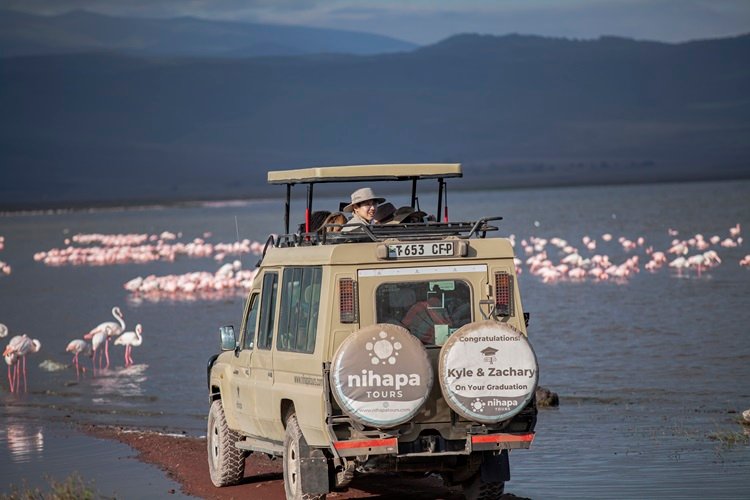
On a Tanzanian safari, the vehicle is more than just transport, it is your mobile base for wildlife viewing. The most common option is a private 4×4 safari vehicle equipped with an open roof, ideal for photography and unobstructed views. Experienced driver-guides are essential, as they not only navigate the parks but also locate wildlife, explain behavior, and ensure safety during encounters. Vehicles usually accommodate four to six travelers comfortably, providing a balance of space and intimacy.
For a 6-day itinerary, a private vehicle is highly recommended. Shared vehicles may reduce cost, but they limit flexibility and the ability to start drives early or extend game-viewing hours. Traveling in a well-equipped 4×4 ensures reliability on varied terrain, from dusty savannahs to bumpy park tracks, while providing ample storage for luggage and photographic equipment. Comfort, safety, and accessibility make private safari vehicles indispensable for short itineraries where maximizing wildlife time is essential.
Domestic Flights
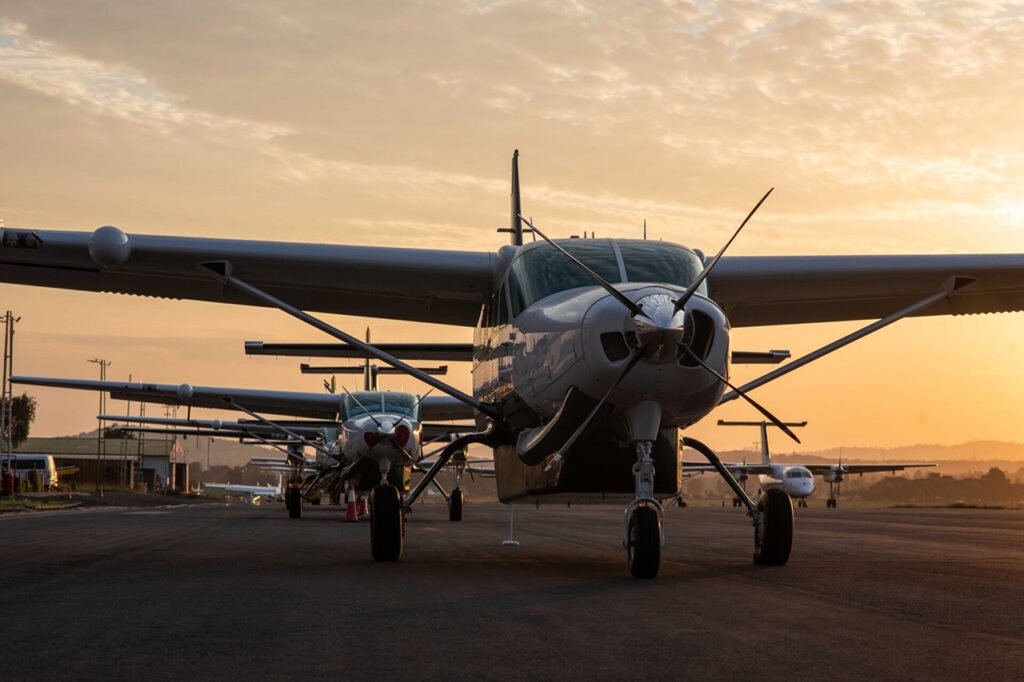
Domestic flights are the most time-efficient way to bridge Tanzania’s vast distances. For a combined safari and Zanzibar itinerary, flying between Arusha (or Kilimanjaro) and Zanzibar saves a full day compared to road and ferry transfers. Scheduled airlines offer multiple daily departures, allowing travelers to seamlessly transition from safari parks to island beaches.
Flying also reduces fatigue from long drives on unpaved or winding roads, which can be challenging after consecutive game drives. For travelers with limited days, domestic flights ensure that the itinerary remains feasible without sacrificing experiences. Premium travelers may opt for business or chartered flights for additional convenience, while mid-range options provide reliability at a lower cost. Regardless of class, domestic flights are the backbone of efficient movement for 6-day itineraries combining mainland and Zanzibar highlights.
Why Road-Only Itineraries Fail
While driving between parks and coastal destinations is possible, relying solely on roads often undermines short safari itineraries. Tanzania’s national parks are spread across hundreds of kilometers, with dirt roads that can become impassable during rains or slow-moving during peak travel hours. Road-only itineraries consume significant time that could otherwise be spent on game drives or relaxing on Zanzibar.
For example, traveling from the Serengeti to Zanzibar entirely by road and ferry can take over 12 hours, leaving little room for exploration or rest. The time lost in transit can also reduce flexibility for early morning or late evening drives, which are prime for wildlife sightings. Combining well-planned road transfers with domestic flights ensures that the itinerary remains tight, productive, and enjoyable, allowing travelers to experience the best of Tanzania and Zanzibar without unnecessary fatigue.
Planning Transport for Maximum Efficiency
To optimize a 6-day safari, careful transport planning is essential. The first few days should focus on road transfers within the safari circuit, where driver-guides can provide expert insight and adjust routes based on wildlife sightings. Once the safari portion is complete, domestic flights to Zanzibar allow travelers to arrive in the afternoon, maximizing relaxation time on the beach. Scheduling internal flights early in the morning or late in the afternoon minimizes airport waiting times and ensures a smooth transition between adventure and leisure.
Ultimately, integrating safari vehicles and domestic flights creates an itinerary that feels both adventurous and efficient. Travelers avoid the exhaustion and unpredictability of road-only journeys while enjoying the freedom, comfort, and flexibility necessary to make the most of 6 Day Tanzania and Zanzibar Safari. Understanding how these transport modes work together allows visitors to focus on what truly matters: memorable wildlife encounters, immersive cultural experiences, and the tranquility of Zanzibar’s beaches.
What to Pack for Tanzania Safari & Zanzibar Beach
Packing thoughtfully is essential for a 6-Day Tanzania and Zanzibar adventure. This itinerary combines active wildlife safaris with relaxation on Zanzibar’s beaches, which means travelers must balance comfort, practicality, and style. Knowing what to bring ensures that every day of the trip is enjoyable and stress-free, while also protecting you from the elements and preserving precious photographic opportunities.
Safari Clothing
Safari clothing should prioritize comfort, breathability, and protection. Lightweight, neutral-colored clothing works best for game drives, as bright colors can startle wildlife and make photography more challenging. Long-sleeved shirts and long pants help protect against sunburn, dust, and insects, while also providing a layer against cooler early-morning temperatures in the parks. A wide-brimmed hat and UV-protection sunglasses are essential for sun protection, and a light jacket or fleece is advisable for the early hours, especially when driving in open vehicles. Comfortable walking shoes or lightweight boots with good grip are critical for optional short walks, although most game viewing will be done from vehicles. Quick-drying fabrics are ideal, as safaris can involve long days in the sun and occasional rain showers.
Beach Essentials
After the safari, Zanzibar offers a chance to unwind, which calls for a completely different wardrobe. Swimsuits, cover-ups, and flip-flops are essential for enjoying the beaches and hotel pools. Lightweight dresses, shorts, and casual tops make walking along the shore and exploring beach villages more comfortable. A sun hat, sunscreen, and reusable water bottle are necessary for protection and hydration under the tropical sun. For those planning water activities such as snorkeling, kite-surfing, or diving, bringing swimwear, goggles, and quick-dry towels ensures a hassle-free experience. Evening beach dinners or cultural evenings in Stone Town may require casual but elegant attire, so a few lightweight, dressier options are recommended.
Tech & Documents
Travelers should come prepared with essential technology and documents to capture memories, navigate the trip, and maintain safety. Cameras with extra batteries and memory cards are invaluable for photographing wildlife and stunning landscapes. Smartphones and chargers are useful for maps, communication, and booking confirmations. Travel adapters and power banks are advisable, as some remote lodges may have limited charging facilities. All important documents, including passports, visas, travel insurance, flight confirmations, and safari vouchers, should be kept organized and easily accessible. Making both digital and physical copies of documents provides an extra layer of security. In addition, binoculars enhance game-viewing experiences, and lightweight daypacks are useful for carrying water, snacks, and personal items during excursions.
Packing Tips for Efficiency
Efficiency is key for a short 6-day itinerary. Soft-sided luggage or backpacks make transfers between vehicles, domestic flights, and Zanzibar accommodations easier. Rolling clothing and packing cubes help save space and keep belongings organized. Layering is important because safari mornings can be cool, while afternoons in the sun are hot and humid, and Zanzibar evenings can be breezy. Being prepared with versatile clothing that suits both safari and beach conditions eliminates the need for overpacking while ensuring comfort and style throughout the journey.
Thoughtful packing allows travelers to fully enjoy the diversity of experiences offered in a Tanzania and Zanzibar adventure. By considering clothing suited to wildlife excursions, beach relaxation, and local culture, and by bringing essential technology and documents, visitors can focus on creating unforgettable memories rather than worrying about what they forgot. Proper packing ensures that each day flows seamlessly, from early morning game drives to tranquil evenings on Zanzibar’s pristine beaches.
Common Mistakes to Avoid on a Short Safari and Zanzibar Trip
A 6 Day Tanzania and Zanzibar Safari offers incredible experiences, but short itineraries leave little room for error. Travelers often make choices that reduce enjoyment, increase fatigue, or limit wildlife encounters. Understanding the most common mistakes and how to avoid them ensures that every day is spent on memorable game drives, cultural exploration, and relaxing on Zanzibar’s beaches.
Overpacking Parks
One of the most frequent errors is overpacking when entering national parks. Visitors often bring large suitcases, multiple outfits, or heavy equipment, thinking they need everything for a short safari. This can create logistical challenges during transfers between lodges and safari vehicles, as many 4x4s have limited luggage space. Carrying excessive items also slows down boarding for early morning drives and complicates overnight stays at tented camps, which may have restricted storage. A better approach is to bring only essential clothing, toiletries, and photography gear, using soft-sided luggage or backpacks that are easy to handle. Focusing on versatile clothing that works for both safari and Zanzibar ensures that travelers remain comfortable without being burdened by unnecessary weight.
Wrong Lodge Locations
Another common mistake is selecting lodges or camps without considering location relative to the parks. Some travelers choose lodges based on aesthetics, reviews, or price alone, without factoring in distance from wildlife hotspots. This can result in long drives that eat into valuable game-viewing time, particularly in the Serengeti or Tarangire. On a short itinerary, staying in strategically placed lodges or tented camps in the northern or central Serengeti, or near the crater rim in Ngorongoro, maximizes opportunities to see wildlife without excessive travel. Thoughtful accommodation choices also reduce early morning wake-ups and late returns from drives, allowing for a more relaxed and efficient safari experience.
Unrealistic Driving Plans
Many short safari itineraries fail because travelers underestimate the time required to travel between parks, towns, and Zanzibar. Tanzania’s roads are often unpaved, winding, or subject to seasonal conditions, making long-distance driving slower than expected. Attempting to cover too many parks or regions in a short timeframe can lead to fatigue, rushed game drives, and missed experiences. Relying solely on road transfers without integrating domestic flights is a common pitfall for those hoping to see both mainland wildlife and Zanzibar beaches. Realistic planning involves balancing drive times with game-viewing priorities and using flights to save time where possible. This ensures that each day is productive and enjoyable, rather than spent exhausted in transit.
Other Pitfalls to Consider
Short safari itineraries are particularly vulnerable to delays caused by weather, road conditions, or park entry procedures. Some travelers neglect to consider the impact of seasonal rains, which can make tracks muddy and difficult to navigate. Others fail to account for airport transfers and domestic flight schedules, resulting in rushed connections. Additionally, underestimating the pace of the itinerary, expecting to see all major wildlife or cover every Zanzibar attraction, can create disappointment. Planning with realistic expectations and allowing flexibility is essential for maximizing enjoyment without unnecessary stress.
Avoiding these common mistakes transforms a 6 Day Tanzania and Zanzibar Safari trip from a stressful logistical challenge into a smooth, memorable adventure. By packing efficiently, choosing lodges strategically, planning realistic driving and flight schedules, and accounting for seasonal conditions, travelers can focus on what truly matters: spectacular wildlife encounters, cultural immersion, and serene beach relaxation. Careful preparation ensures that the short timeframe is used wisely, making the trip both efficient and unforgettable.
Alternative 6-Day Tanzania & Zanzibar Itinerary Options
A 6 Day Tanzania and Zanzibar Safari tinerary can be adapted to suit different travel styles, budgets, and purposes. Whether you are seeking a luxury honeymoon experience, traveling on a budget, or planning a family-friendly adventure, there are ways to structure the trip to maximize comfort, wildlife sightings, and relaxation on Zanzibar’s beaches. This section explores three alternative options, each tailored to a specific type of traveler, highlighting how adjustments in accommodation, transport, and activities can create a unique and memorable experience.
Luxury 6-Day Safari and Zanzibar Honeymoon Version
For couples seeking an indulgent honeymoon, a luxury version of the 6-day itinerary emphasizes private experiences, premium accommodations, and personalized service. On the safari portion, travelers stay in five-star lodges or exclusive tented camps strategically located in the northern or central Serengeti, as well as near Ngorongoro Crater. Private 4×4 vehicles with experienced guides provide flexibility, ensuring early morning and late afternoon drives are tailored to wildlife activity and photography opportunities. Guests may enjoy optional experiences such as a hot air balloon ride over the Serengeti at sunrise or a guided walking safari with a naturalist, creating intimate and unforgettable moments.
Meals during the safari are often gourmet, and accommodations provide luxurious amenities, including plunge pools, spa services, and panoramic decks overlooking the savannah. After the safari, travelers fly directly to Zanzibar, where they are accommodated in high-end beachfront resorts or private villas. Here, the focus shifts to relaxation and romance, with private dinners on the beach, sunset cruises, and spa treatments. For honeymooners, this combination of adventure and indulgence creates a seamless blend of excitement and tranquility, allowing couples to celebrate their special occasion in one of the world’s most beautiful destinations.
Budget 6-Day Tanzania Safari and Zanzibar
For travelers seeking a more affordable yet rewarding experience, a budget version of the 6-day itinerary prioritizes cost-effective accommodations, shared transport, and carefully selected park activities without compromising the essence of the safari. Budget lodges or simple tented camps in Karatu, Tarangire, and the Serengeti provide safe, comfortable lodging while keeping costs low. Wildlife viewing is still excellent, as guides focus on areas with high animal density and accessible roads, ensuring guests experience the highlights efficiently.
Travelers may choose shared safari vehicles to reduce expenses, though careful planning ensures that game drives remain productive and enjoyable. Domestic flights between Arusha and Zanzibar are still recommended to save time and avoid long road and ferry journeys. On Zanzibar, budget-friendly guesthouses or mid-range beach hotels allow travelers to enjoy the island’s pristine beaches, local culture, and historical sites without spending excessively. Meals can be a mix of lodge dining and local restaurants, offering both convenience and an authentic taste of Zanzibar’s cuisine. This itinerary demonstrates that even on a budget, a 6 Day Tanzania and Zanzibar Safariadventure can be full of wildlife encounters, cultural exploration, and beach relaxation.
Family-Friendly Variation
Families traveling with children require a different approach, balancing wildlife experiences with shorter game drives, safer accommodations, and child-friendly activities. Lodges and camps are chosen for their family-friendly amenities, such as larger rooms, connecting suites, and recreational facilities. Safari drives are often shorter and scheduled to avoid early-morning chill, ensuring children remain comfortable and engaged throughout the day. Guides may include educational explanations about wildlife and conservation, helping younger travelers learn while having fun.
In the Serengeti and Ngorongoro, families can focus on areas with easy access to roads and high concentrations of animals, reducing travel fatigue and maximizing observation opportunities. Domestic flights to Zanzibar are particularly helpful for families, minimizing time on the road and allowing more hours for relaxation. On Zanzibar, family-friendly resorts provide safe beachfronts, pools, and activities such as snorkeling, dhow boat trips, or guided cultural tours in Stone Town. This version balances adventure and downtime, creating a memorable safari experience that accommodates all ages and ensures both parents and children enjoy the trip without unnecessary stress.
Tailoring Itineraries for Individual Preferences
The beauty of a 6 Day Tanzania and Zanzibar Safari itinerary is its flexibility. Even within each category. luxury, budget, or family-friendly, travellers can fine-tune the experience. Couples might choose to add private candlelit dinners on Zanzibar, while families may prioritize shorter, scenic game drives and hands-on cultural experiences. Budget travelers can focus on maximizing wildlife sightings while staying in smaller, well-located lodges. Strategic planning of accommodations, transport, and daily schedules ensures that each day is meaningful, productive, and enjoyable.
Adjustments may also involve the order of destinations. Some travelers prefer to begin with Zanzibar, enjoying the beaches first and then heading to the safari for the high-energy portion of the trip. Others may opt to finish with the island to unwind after intense game drives. Both approaches work, but alignment with flights, park access, and activity schedules ensures a smoother, stress-free experience. Regardless of the variation, careful consideration of accommodation location, travel logistics, and daily activity planning allows each version of the 6-day itinerary to deliver the best balance between adventure, comfort, and relaxation.
Maximizing Experiences Within 6 Days
Each alternative itinerary emphasizes making the most of limited time. The luxury honeymoon version focuses on comfort, exclusivity, and romantic experiences, allowing travelers to enjoy high-end services without compromise. The budget option demonstrates that thoughtful planning can provide a full safari and Zanzibar experience without excessive spending. The family-friendly variation shows that even with children, it is possible to enjoy wildlife encounters and beach relaxation without fatigue or logistical stress. In every case, the itinerary is designed to ensure that wildlife encounters are maximized, travel is efficient, and Zanzibar’s beaches are enjoyed fully. This approach allows all travelers, regardless of style or budget, to create a rich and memorable experience over just six days, making the most of every moment in Tanzania and Zanzibar.
How to Book This Safari: Local vs International Operators
Booking a 6 Day Tanzania and Zanzibar Safari is a critical step that can make or break the experience. Travelers often face a choice between local operators based in Tanzania and international agencies marketing safari packages abroad. Understanding the differences, advantages, and key questions to ask before booking ensures a smooth, reliable, and cost-effective trip while avoiding common pitfalls.
Why Local Operators Win
Local operators often have a distinct advantage when it comes to planning safaris. Being based in Tanzania, they possess firsthand knowledge of park conditions, wildlife movement, seasonal variations, and logistical challenges. This local expertise allows them to customize itineraries with a level of detail that international operators may lack. They know which lodges or tented camps are best for maximizing wildlife sightings, reducing drive times, and providing authentic experiences. Local operators also have direct relationships with hotels, camps, guides, and drivers, which often results in better rates and more flexible options.
Using a local operator can also enhance safety and reliability. They are familiar with park regulations, road conditions, and emergency procedures, ensuring that travelers are guided responsibly throughout their safari. Moreover, working directly with a Tanzanian company ensures that a larger portion of your payments goes to the local economy, supporting conservation efforts, staff, and communities. This creates a more sustainable and responsible travel experience, which is increasingly important for modern safari-goers.
What to Ask Before Booking
Regardless of whether you choose a local or international operator, asking the right questions is crucial to avoid surprises. Start by confirming the experience and qualifications of the guides, as an expert guide can significantly elevate the safari experience. Verify the type of vehicle provided, its condition, capacity, and whether it has an open roof for game viewing and photography. Accommodation details should be clear, including room type, location, and amenities, to ensure they match expectations.
Travelers should also inquire about inclusions and exclusions, such as park fees, domestic flights, meals, and optional activities. Understanding the total cost upfront prevents unexpected expenses. Questions about flexibility are equally important: can the itinerary be adjusted for wildlife opportunities, weather conditions, or personal preferences? If traveling with children or a group, confirming suitability for families and ensuring adequate safety measures is essential.
Finally, clarify payment methods, cancellation policies, and insurance requirements. Reputable operators provide clear contracts, prompt communication, and contingency plans for unexpected changes, such as weather delays or park closures. Comparing multiple operators based on these factors helps travelers make informed decisions while avoiding intermediaries that add unnecessary cost or miscommunication.
Choosing the Right Partner
Ultimately, the goal is to choose an operator who provides a seamless, memorable safari and Zanzibar experience. Local Tanzanian operators Like Nihapa Tours excel at offering tailored itineraries, insider knowledge, and reliable service while supporting the local economy. International operators may provide convenience and global booking platforms, but often at a higher cost and with less direct insight into local conditions. By asking the right questions and understanding the advantages of each option, travelers can book with confidence, ensuring that the 6-day itinerary is executed efficiently, safely, and in a way that maximizes wildlife encounters and beach relaxation.
Booking smartly allows travelers to focus on the adventure, knowing that logistics, guides, and accommodations are all expertly handled. The right choice of operator transforms a 6-day safari and Zanzibar experience into a well-organized, unforgettable journey that meets expectations and leaves a lasting impression.
Final Thoughts: Is a 6-Day Tanzania & Zanzibar Safari Worth It?
A 6 Day Tanzania and Zanzibar Safari offers an extraordinary blend of wildlife adventure, cultural exploration, and tropical relaxation, but it is not without its trade-offs. For travelers with limited time, this itinerary provides a concentrated taste of Tanzania’s most iconic wildlife destinations alongside the tranquil beauty of Zanzibar’s beaches. While it cannot capture every corner of the country, a well-planned 6-day itinerary allows visitors to experience the essence of safari life and island leisure in a way that is both memorable and efficient.
This itinerary is particularly well-suited for travelers who value a mix of action and relaxation. Couples on a honeymoon or short getaway can enjoy high-quality game drives followed by romantic beach stays. Solo travelers or small groups with limited vacation days can maximize wildlife sightings and cultural experiences without feeling rushed, provided the itinerary is carefully structured with strategic lodges and flights. The combination of the Serengeti, Ngorongoro Crater, and Zanzibar ensures that participants encounter a variety of wildlife and landscapes, from predator-filled savannahs to pristine tropical beaches.
However, there are some limitations to a six-day schedule. Short safaris require tight planning and can involve long drive times between destinations, particularly if relying solely on roads instead of domestic flights. Travelers who wish to explore more of Tanzania, including additional parks like Tarangire, Lake Manyara, or the southern Serengeti, or to spend more time in Zanzibar, may find 6 days somewhat restrictive. Wildlife sightings are never guaranteed, and a shorter timeframe may reduce the chance of witnessing specific migration events or rare species.
For those who are flexible and have the time, extending the itinerary to eight or ten days allows a more relaxed pace. Longer trips offer the opportunity for multiple safari regions, longer game drives, walking safaris, and extended beach stays, providing a deeper immersion into the landscapes, wildlife, and culture of Tanzania and Zanzibar. An extended itinerary is also beneficial for families, photographers, or wildlife enthusiasts who wish to maximize their chances of seeing specific animals or migratory events.
conclusion
In conclusion, a 6 Day Tanzania and Zanzibar Safari is absolutely worth it for travelers seeking a compact, high-impact experience. It combines iconic wildlife encounters with cultural exposure and beach relaxation, providing a meaningful snapshot of what Tanzania has to offer. It is ideal for those on limited time who want to experience a blend of adventure and leisure, while travelers with a passion for wildlife, photography, or island exploration may consider adding extra days to fully immerse themselves in the richness of this extraordinary destination. With thoughtful planning, even a short safari can create lifelong memories and incredible stories that showcase the best of Tanzania and Zanzibar.